Wuhu Island and What It Reveals About Our Desire for Walkable Communities
There have been many recent conversations about the way urban planning, specifically in the shape of neighborhoods and amenities accessible on foot, shapes our daily activities, relationships, quality of life, physical and mental health, and so much more. Such walkable communities are particularly discussed in North American spaces which often lack accessibility and walkability, instead focusing on car-centric designs and layouts such as highways, parking lots, and drive throughs. In these discussions, people often yearn for more walkable spaces and cite pedestrian-friendly urban areas such as New York City, college campuses, vacations in old town centers abroad, and even Disneyland.

In this essay I will discuss walkable communities in the context of fictional places and what this might tell us about our desire for accessibility and local connectedness. It is not surprising that many popular stories take place in areas where characters are given the opportunity to reach destinations quickly, form relationships with neighbors and locals, and most of all, run into each other. What fun would it be to watch Friends and see Ross commuting hours to work, Monica driving to the next Walmart, and Rachel scheduling an Uber every time she visits Joey and Chandler? Afterall, a plot needs chance encounters to progress, and these are rare in the isolated and unconnected grid layouts of modern urban areas (mainly in North America).

There is one specific fictional location that particularly interests me, because people are not just passively consuming it, but rather exploring and experiencing it: Wuhu Island. Wuhu Island is a tropical volcanic island where various Nintendo games take place, most notably Wii Sports Resort. The player, along with self-made and predesigned Miis (customizable Nintendo avatars) inhabit or vacation on this island as they play different sports such as table tennis, golf, or bowling. Wuhu Island contains the ancient volcano “Maka Wuhu”, the lively center of Wuhu Town, a seaport, sandy beaches, mysterious ruins, and a variety of wildlife, such as seagulls, eagles, and the occasional whale. It is the largest and most populated island of the Wuhu Archipelago and its landmarks are tied together by deep history and lore.
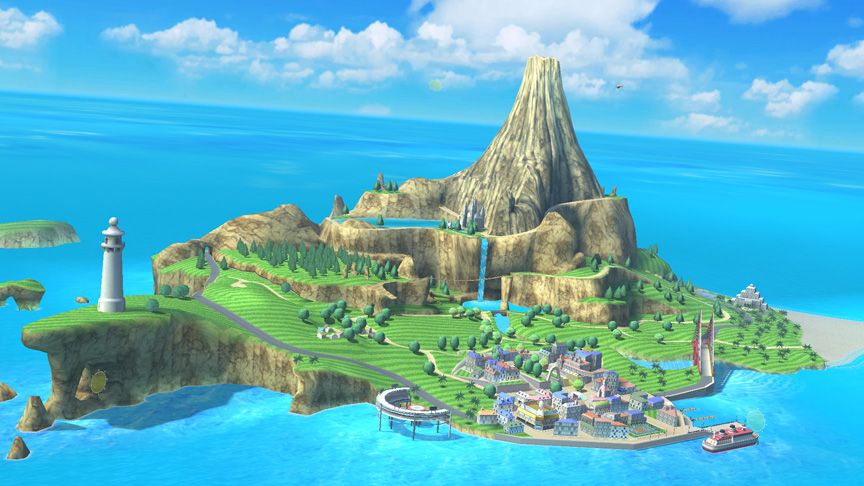
Wuhu Island is held fondly in the memory of many gamers, but I found it especially interesting how people remember it and wish for a life on this island that reflect a general desire for walkable, tight-knit, and green communities.

Of course, a big part of the appeal is being on vacation and playing games. But there are several other aspects that make Wuhu Island an ideal location for well-being and social interactions!
The Connected Community of Wuhu Town
Humans are social animals. We need and crave groups, friends, family, love: connection with others. Acceptance, support, and validation from people feels comforting, while ostracization hurts like any other physical pain
(ref).
All the mini games take place in specific locations on Wuhu Island and could theoretically be reached on a walk or bike tour. For example, the basketball game is played in the basketball court in Wuhu Town, and other players and observants will often be Miis you have created on your console, introducing familiar faces of friends and family on to the island.

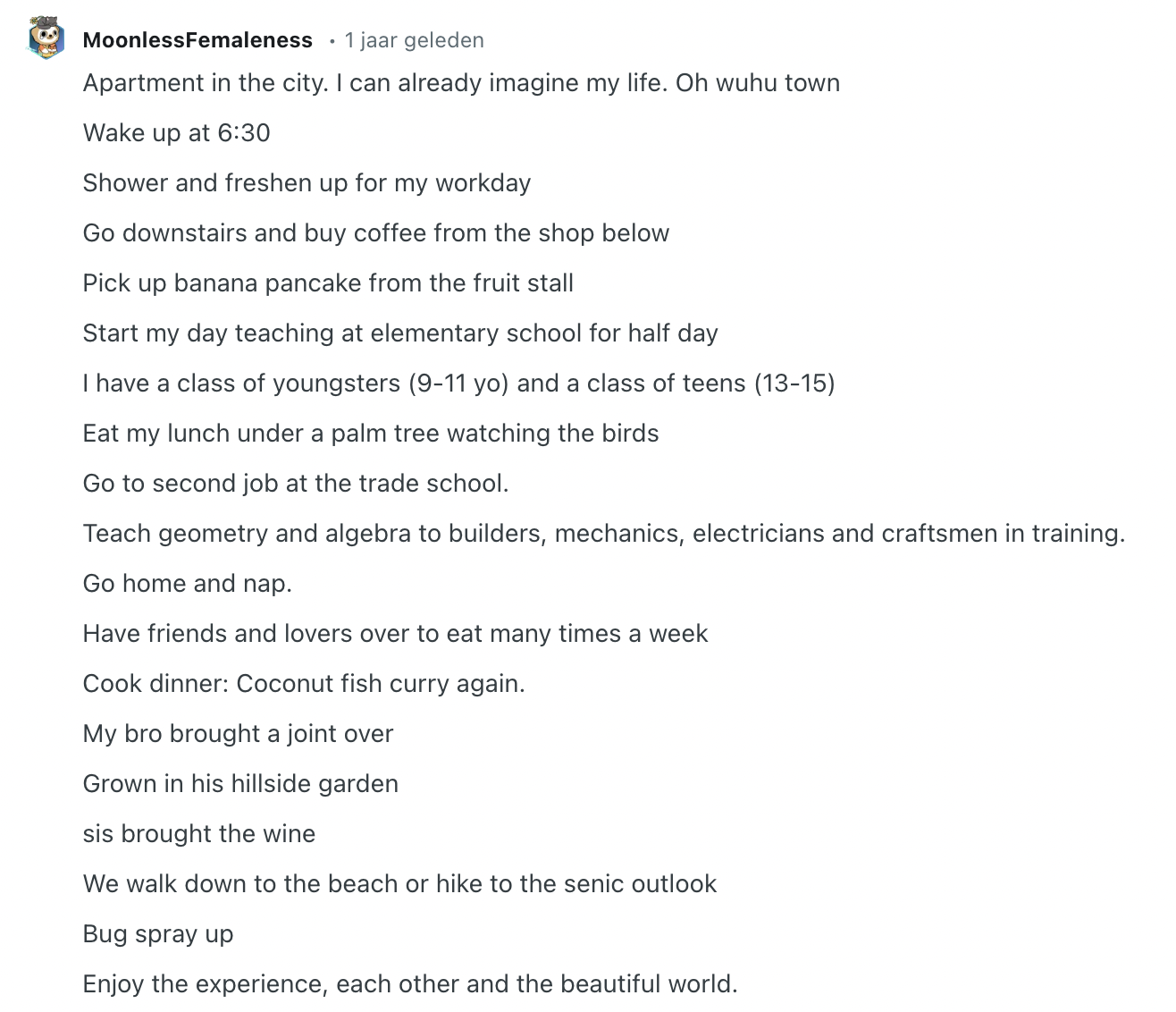 Exploring the Nature and Landmarks on Foot
Besides the social connections that walkable communities offer, the relaxing nature and stunning landmarks themselves can be visited while walking. In this way, the island allows for convenient, healthy, and enjoyable behaviors.

Indeed, only electric vehicles are allowed on Wuhu Island, and the most common mode of transportation is by boat or seaplane. Visitors of the island can get their steps in exploring the beaches, castle, lake, or mountain, without being disturbed by the noise and emissions of cars or enormous parking lots. One user even jokes about the negative effects of the Mario Kart 7 racing track on Wuhu Island:
 Concluding Thoughts
While more and more people leave rural regions for the opportunities in urban areas, problems like social isolation, loneliness, and (mental) health concerns need to be addressed. For their general health and well-being, humans need safe and accessible sidewalks and pedestrian zones, close proximity to markets, activities, and other people, and lush green areas. As many people cannot live in such walkable communities yet, they may find comfort in idealized environments like Wuhu Island.